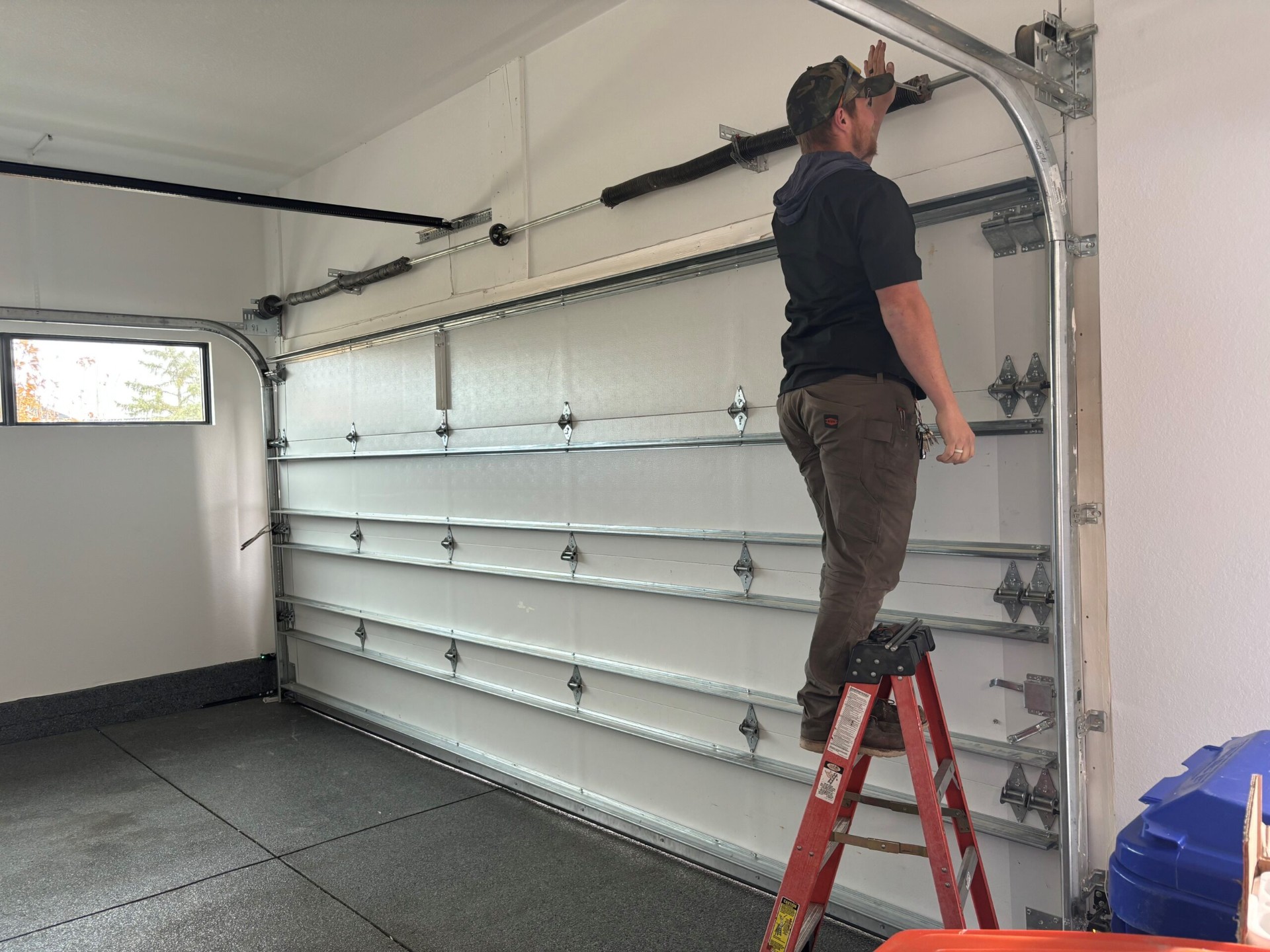
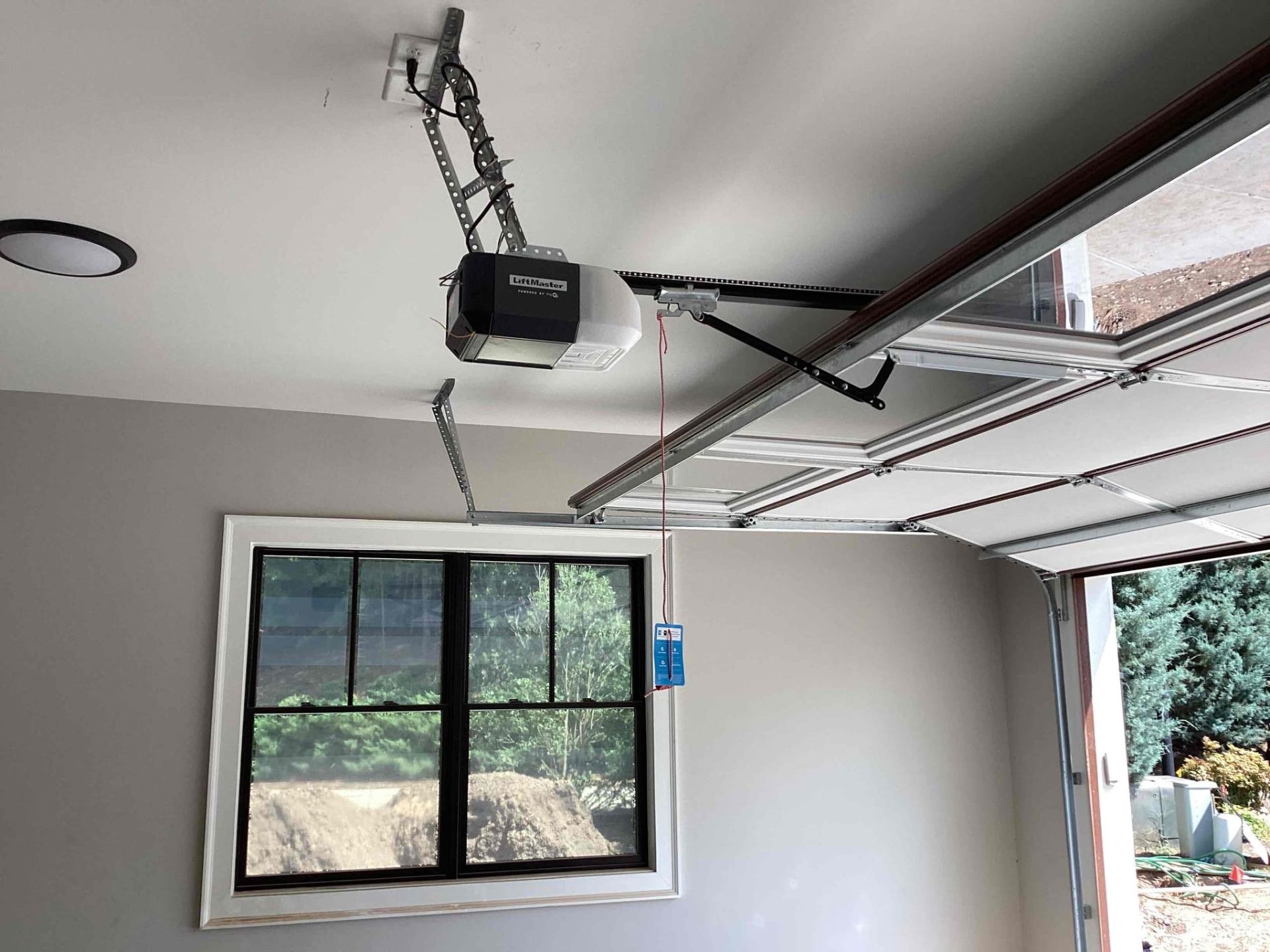
Explore the benefits of insulated garage doors including energy savings, noise reduction, durability, and comfort. Learn which insulation options are right for your climate and budget.
How Insulated Garage Doors Work
Insulated garage doors feature one or more layers of insulation material — typically polystyrene or polyurethane — sandwiched between the door's exterior and interior panels. Polystyrene insulation consists of rigid foam boards fitted into the door sections, offering moderate insulation values. Polyurethane insulation is injected as a liquid foam that expands to fill every gap and cavity, providing superior insulation and adding structural rigidity to the door. The insulation value is measured in R-value: the higher the number, the better the thermal resistance. Non-insulated single-layer doors have an R-value of 0, while premium insulated doors can achieve R-values of 12 to 18.
Energy Savings and Temperature Control
An insulated garage door can significantly reduce energy loss, especially for attached garages where the garage shares walls with conditioned living spaces. Studies show that an insulated garage door can reduce garage temperature fluctuations by up to 20 degrees compared to a non-insulated door. This means your HVAC system works less to maintain comfortable temperatures in rooms adjacent to the garage. Homeowners in extreme climates — whether the blistering heat of [Las Vegas](/locations/nevada/las-vegas) or the frigid winters of [Minneapolis](/locations/minnesota/minneapolis) — see the most dramatic energy savings from insulated doors.
Noise Reduction Benefits
Insulated garage doors are significantly quieter than non-insulated doors. The insulation material dampens vibrations and absorbs sound, resulting in smoother, quieter operation. This is a major benefit for homes with bedrooms above or adjacent to the garage, or for homeowners who use the garage early in the morning or late at night. The added mass of insulation also reduces the transmission of street noise into the garage, creating a more peaceful environment if you use the space as a workshop, home gym, or hobby area.
Durability and Structural Strength
Insulated garage doors are more durable and resistant to denting than their non-insulated counterparts. The insulation layer adds rigidity to each panel section, making the door less susceptible to damage from impacts, wind pressure, and daily wear. Three-layer construction (steel-insulation-steel) doors are especially robust and can withstand years of heavy use without warping, cracking, or denting. This structural advantage makes insulated doors a smart choice for families with active children or for areas prone to severe weather.
Is Insulation Worth It for Your Situation?
The value of an insulated garage door depends on your specific circumstances. If your garage is attached to your home, if you use your garage as a workspace, if you live in an area with extreme temperatures, or if noise is a concern, insulation is almost certainly worth the investment. The price premium for insulation is typically $200 to $600 over a comparable non-insulated door — an amount that's quickly recouped through energy savings. Even for detached garages, insulation provides durability and noise benefits. Consult with our [installation team](/services/garage-door-installation) at Garage Door Rapid Fix to determine the best insulation option for your home and budget.
Need Professional Garage Door Help?
Contact Garage Door Rapid Fix for a free estimate on your next project.
Get a Free QuoteLooking for garage door services in your area? Browse our full service directory by city.