A comprehensive guide to maintaining your garage door opener — from lubrication schedules to safety sensor testing. Learn how regular maintenance extends the life of your opener.
Why Regular Opener Maintenance Matters
Your garage door opener is one of the hardest-working mechanical systems in your home, cycling an average of 1,500 times per year. Like any mechanical system, it requires regular maintenance to perform reliably and safely. Neglecting opener maintenance leads to premature motor failure, noisy operation, safety hazards, and unexpected breakdowns — often at the worst possible time. A simple maintenance routine performed twice a year can extend the life of your opener by several years and prevent costly emergency repairs.
Monthly Visual Inspection Checklist
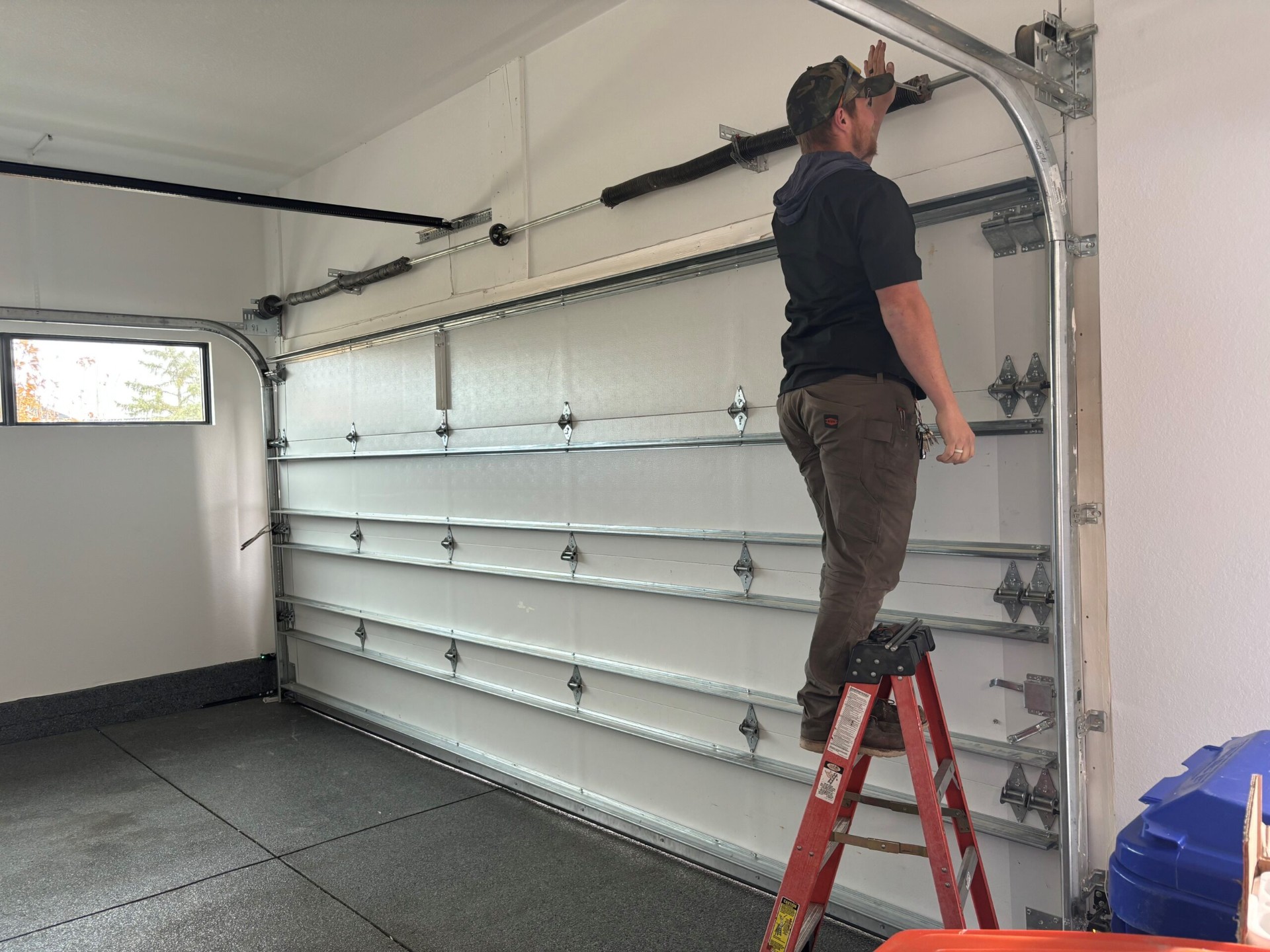
Every month, take a few minutes to visually inspect your garage door system. Check the springs, cables, rollers, and pulleys for signs of wear or damage. Look for frayed cables, chipped rollers, and loose mounting brackets. Test the door's balance by disconnecting the opener and manually lifting the door halfway — it should stay in place without drifting up or down. Check the weatherstripping along the bottom and sides for cracks or gaps. These quick checks can catch small problems before they become big repairs.
Lubrication: The Most Important Maintenance Task
Proper lubrication is the single most impactful maintenance task you can perform for your garage door system. Every six months, apply a silicone-based or lithium-based garage door lubricant to the torsion springs, roller bearings, hinges, and the opener's chain or screw drive. Avoid using WD-40 — it's a solvent, not a lubricant, and can actually strip away existing grease. Proper lubrication reduces friction, quiets noisy operation, and prevents premature wear on metal components. If your door has nylon rollers, they don't require lubrication, but the hinges and springs still do.
Testing and Adjusting Safety Features
Federal law requires all garage door openers manufactured after 1993 to include auto-reverse safety features. Test yours monthly: place a 2x4 board flat on the ground in the door's path and close the door — it should reverse immediately upon contact. Also test the photoelectric safety sensors by waving an object through the beam while the door is closing — the door should stop and reverse. If either test fails, your opener needs immediate professional adjustment. Malfunctioning safety features are a serious hazard, especially for homes with children or pets. Our [opener service](/services/garage-door-opener-motor-services) team in [Las Vegas](/locations/nevada/las-vegas) and [San Antonio](/locations/texas/san-antonio) can recalibrate or replace faulty safety systems.
When to Replace vs. Repair Your Opener
Most garage door openers last 10 to 15 years with proper maintenance. If your opener is approaching this age and requiring frequent repairs, replacement is usually more cost-effective than continued repair. Other signs it's time for a new opener include excessive noise, inconsistent operation, lack of modern safety features, and incompatibility with smart home systems. Today's openers offer battery backup, smartphone control, ultra-quiet belt drives, and integrated cameras. A new opener installation from a certified technician ensures proper setup, programming, and safety compliance — and many models come with manufacturer warranties of 5 years or more.
Need Professional Garage Door Help?
Contact Garage Door Rapid Fix for a free estimate on your next project.
Get a Free QuoteLooking for garage door services in your area? Browse our full service directory by city.