Garage door springs don't last forever. Learn why they break, how to extend their lifespan, and when replacement is overdue.
What Every Homeowner Should Know About This Issue
<p>Your garage door works hard every day, cycling up and down an average of 1,500 times per year in a typical household. For homeowners in [Tampa](/locations/florida/tampa) and in [San Antonio](/locations/texas/san-antonio), this constant use means wear and tear is inevitable. Understanding why your garage door spring broke and how to prevent it helps you stay ahead of problems before they become emergencies.</p><p>The garage door industry has evolved significantly over the past decade, with new materials, safety features, and smart technology changing what homeowners can expect from their doors. Despite these advances, the fundamental mechanical principles remain the same, and so do the most common failure points.</p><p>In this detailed guide, we'll walk you through everything from identifying the first warning signs to understanding your repair and replacement options. By the end, you'll have the knowledge to make informed decisions about your garage door and keep it operating safely for years to come.</p>
The Mechanics Behind the Issue
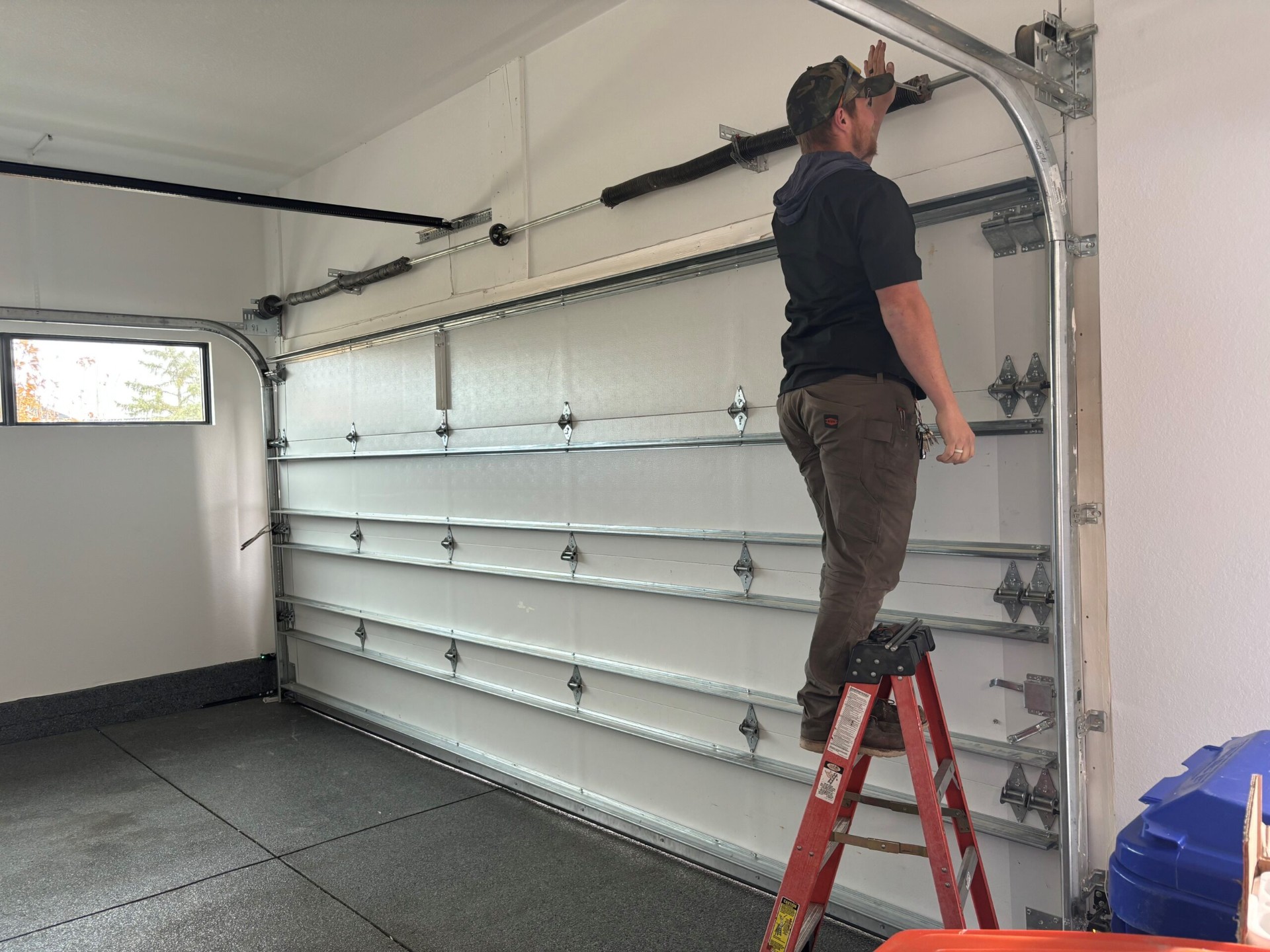
<p>Let's break down the specific mechanics at play here. Your garage door system relies on a precise balance of tension, alignment, and lubrication to function properly. When any of these elements is off, performance suffers and safety risks increase.</p><p>The most critical component in most garage door systems is the spring assembly. Torsion springs, which are the most common type in modern installations, store mechanical energy by twisting. This stored energy is what makes it possible for a small motor to lift a door weighing several hundred pounds. Extension springs work on a different principle, stretching to store energy, but they serve the same counterbalancing function.</p><p>Track alignment is another crucial factor that homeowners in [San Diego](/locations/california/san-diego) and elsewhere should monitor regularly. Even a small misalignment — as little as a quarter inch — can cause the door to bind, stick, or operate noisily. Over time, this misalignment puts extra stress on the opener motor, the rollers, and the door panels themselves, potentially leading to more expensive repairs down the road.</p><p>Cable condition is often overlooked during casual inspections, but cables play a vital role in the safe operation of your garage door. These steel cables connect the springs to the bottom brackets of the door, transferring the spring's counterbalancing force to the door itself. When cables fray or break, the door can become unpredictable and dangerous.</p><p>Understanding these interconnected systems helps you communicate more effectively with repair technicians and make better decisions about which repairs are truly necessary versus which might be upsells. A reputable technician will always explain what they've found and give you options before proceeding with any work.</p>
Finding the Right Fix
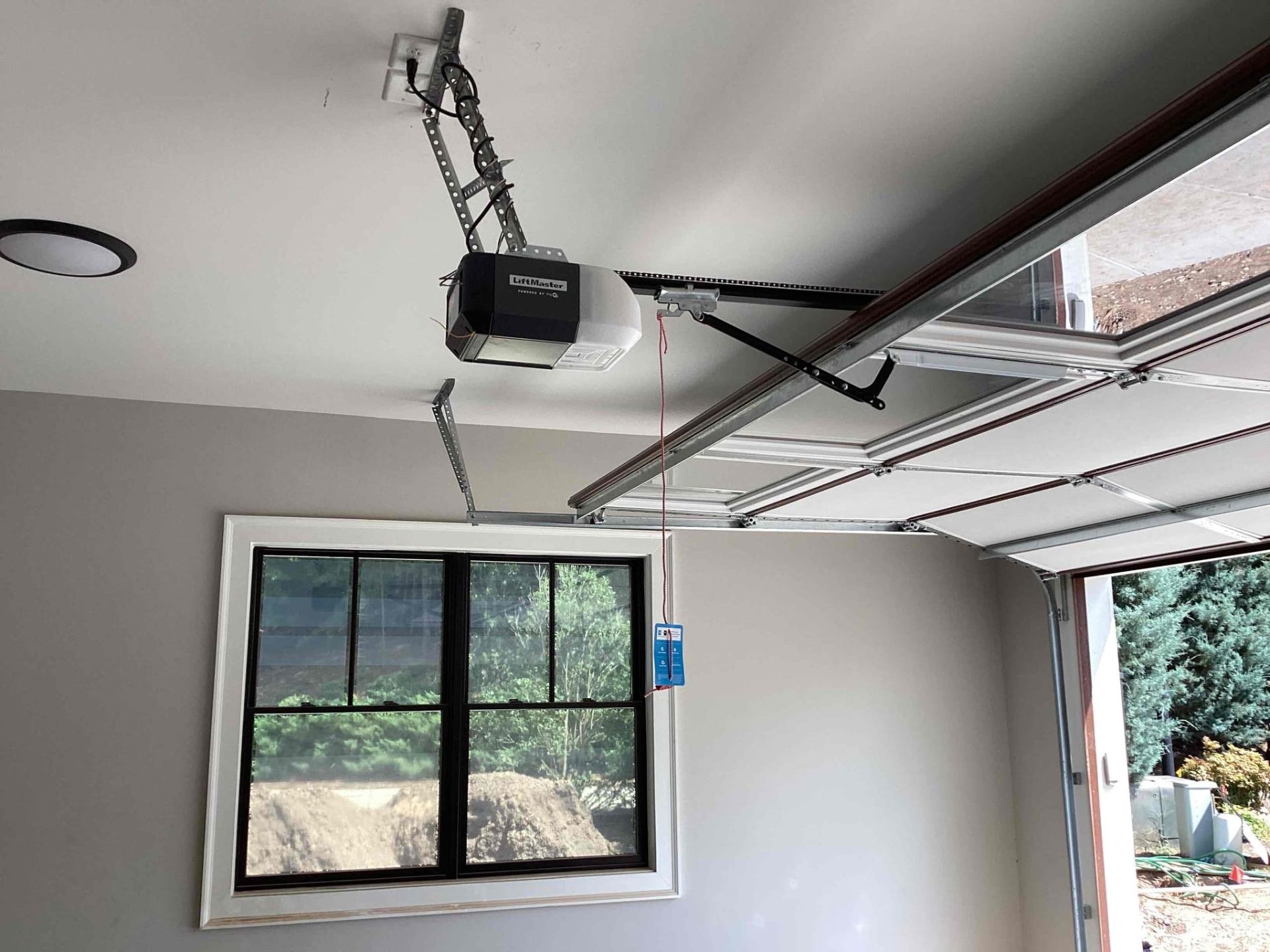
<p>The good news is that most garage door problems have proven solutions. The key is matching the right solution to the specific problem, which is where professional expertise makes a real difference.</p><p>For issues related to noise and vibration, the solution often involves a combination of lubrication, hardware tightening, and component replacement. Worn rollers, for example, are one of the most common sources of garage door noise. Replacing steel rollers with nylon versions can dramatically reduce noise levels while also improving the door's overall operation.</p><p>For issues related to the door's movement — sticking, jerking, or uneven travel — track alignment and spring balance are usually the culprits. Our <a href="/services/garage-door-opener-services">opener services service</a> includes a comprehensive check of all mechanical systems to identify the exact source of the problem. We don't just treat symptoms; we find and fix the root cause.</p><p>For issues related to the opener — failure to respond, partial opening, or reversed direction — the problem might be electrical, mechanical, or related to the safety sensors. Modern openers have LED indicators that display diagnostic codes, which our technicians can read to quickly identify the issue.</p><p>If you're a homeowner in [Houston](/locations/texas/houston) dealing with any of these issues, don't wait for the problem to get worse. Garage door problems rarely fix themselves, and delay often leads to more extensive damage and higher repair costs. Contact us for a thorough evaluation and honest recommendation.</p>
Why Professional Service Matters
<p>The decision between DIY maintenance and professional repair often comes down to safety and expertise. As a general rule, if the repair involves anything under high tension — springs, cables, or the door itself when disconnected from the opener — call a professional. The risk of serious injury is simply too high for anyone without proper training and tools.</p><p>Safe DIY tasks include visual inspections, basic lubrication, cleaning tracks and sensors, testing the auto-reverse feature with a roll of paper towels, and replacing remote batteries. These routine maintenance tasks help keep your door running smoothly between professional service visits.</p><p>When you do need professional help, our <a href="/services/emergency-garage-door-repair">emergency repair professionals</a> bring the expertise and equipment to handle any garage door challenge safely and efficiently. From homeowners in [Nashville](/locations/tennessee/nashville) to communities throughout our service network, we deliver consistent quality and honest pricing on every job.</p><p>Don't forget that preventive maintenance is always more cost-effective than emergency repair. A professional tune-up costs a fraction of what a major repair will set you back, and it helps you avoid the inconvenience and stress of an unexpected breakdown. Most experts recommend professional service at least once a year, or twice annually for doors that see heavy use.</p>
Keeping Your Garage Door at Its Best
<p>Taking care of your garage door isn't just about convenience — it's about safety, security, and protecting one of your home's most valuable mechanical systems. Whether you're dealing with a current issue or simply want to stay ahead of potential problems, the information in this guide puts you in a stronger position as a homeowner.</p><p>Remember that regular maintenance is the single most effective way to prevent unexpected breakdowns and extend the life of your garage door. Simple steps like lubrication, visual inspection, and balance testing can be done by anyone, while professional tune-ups should be scheduled at least annually.</p><p>If you're experiencing any of the issues described in this guide, don't wait for the problem to escalate. Reach out to our team for a thorough assessment and honest recommendation. We're committed to providing reliable, affordable garage door service that keeps your home safe and your door operating smoothly.</p>
Need Professional Garage Door Help?
Contact Garage Door Rapid Fix for a free estimate on your next project.
Get a Free QuoteLooking for garage door services in your area? Browse our full service directory by city.