Essential safety tips for garage door owners — from testing auto-reverse features to teaching children about garage door hazards. Keep your family safe with these expert guidelines.
Why Garage Door Safety Should Be a Priority
Garage doors are the largest and heaviest moving objects in most homes, weighing between 150 and 400 pounds depending on size and material. According to the U.S. Consumer Product Safety Commission, garage doors cause an estimated 20,000 to 30,000 injuries annually, including crush injuries, amputations, and fatalities. Many of these accidents are preventable with proper maintenance, functioning safety features, and awareness. Whether you have young children, pets, or simply want to protect your property, understanding garage door safety is essential for every homeowner.
Testing Your Auto-Reverse Safety Features
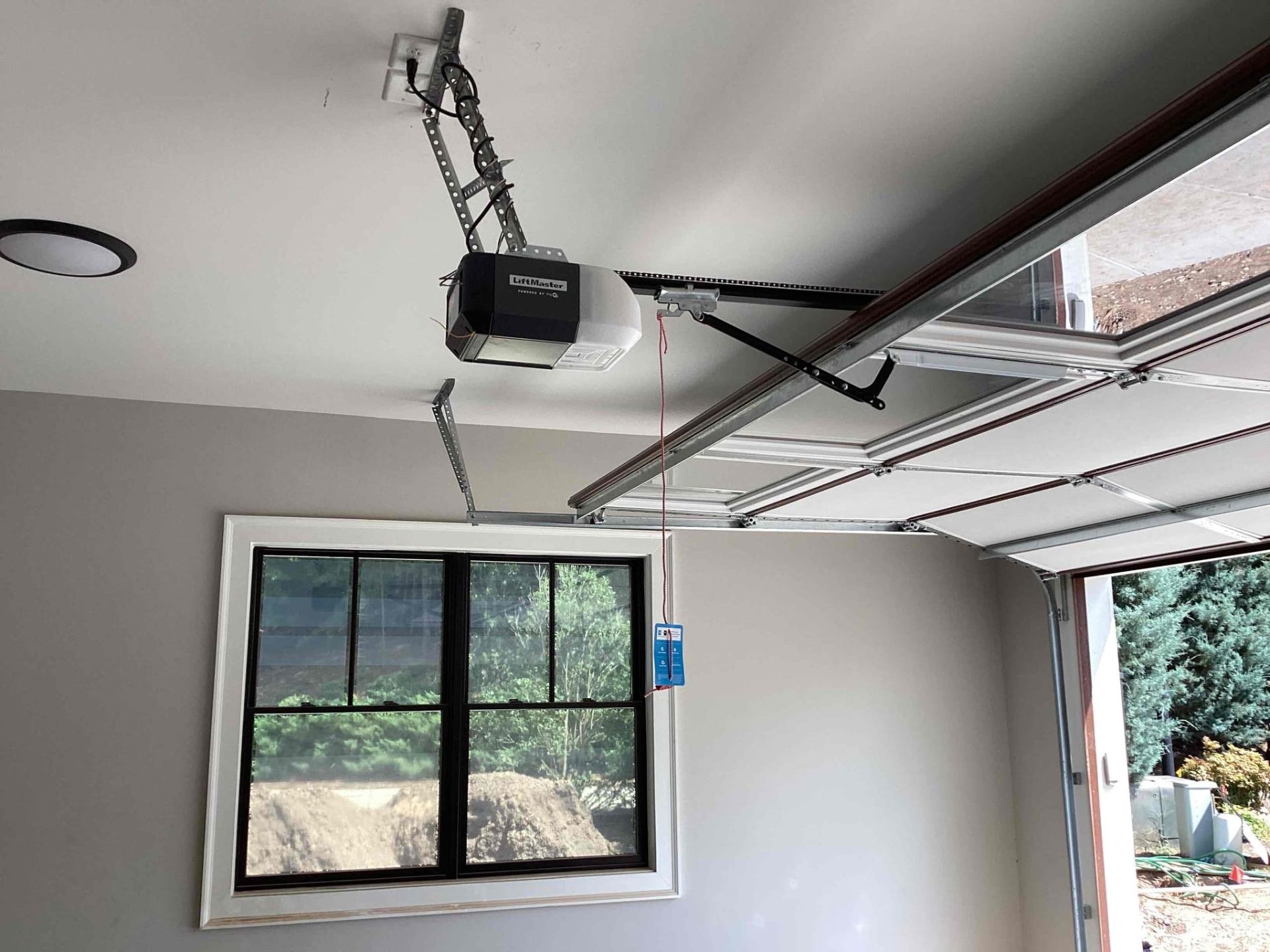
Every garage door opener manufactured after January 1, 1993 is required by federal law to have two auto-reverse safety mechanisms: a mechanical pressure sensor and photoelectric eyes. Test the pressure sensor monthly by placing a 2x4 flat on the ground under the door — the door should reverse within two seconds of contacting the board. Test the photoelectric eyes by waving a broom handle through the beam while the door is closing — the door should immediately stop and reverse. If either test fails, stop using the opener and call a professional immediately. Our technicians in [San Diego](/locations/california/san-diego) and [Portland](/locations/oregon/portland) can repair or replace faulty safety systems the same day.
Teaching Children About Garage Door Dangers
Children are particularly vulnerable to garage door injuries because they may not understand the dangers. Teach children these critical safety rules: never play under or near a moving garage door, never touch the springs or cables, never put fingers between door panels, and never use the garage door opener as a toy. Keep remote controls out of reach of young children and consider disabling the wall-mounted button when small children are playing in the garage. The emergency release cord should also be kept out of children's reach but accessible to adults.
Spring and Cable Safety Precautions
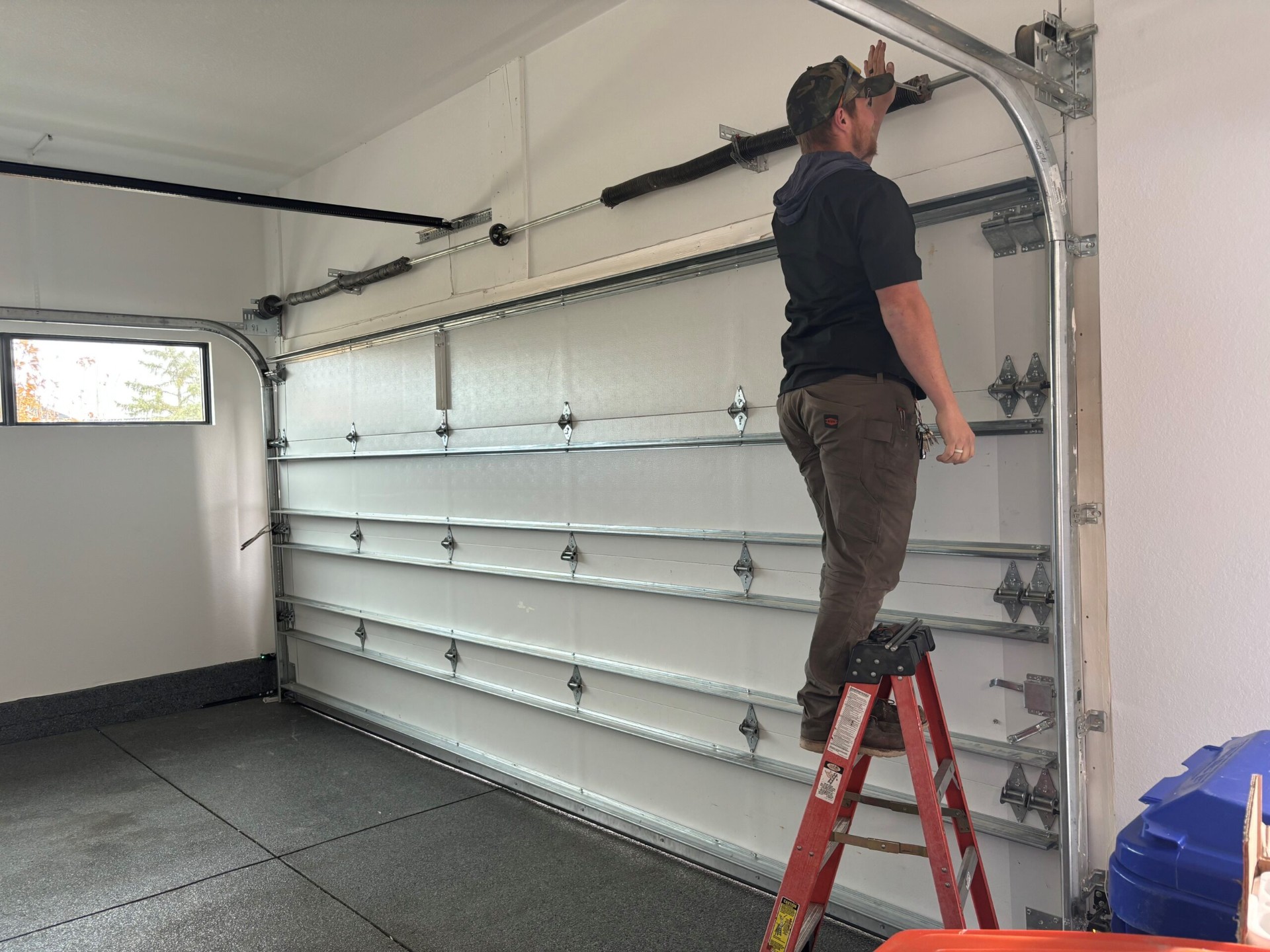
Garage door springs and cables are under extreme tension and can cause serious injury if they snap. Never attempt to adjust, repair, or replace springs or cables yourself — this is a job for trained professionals with proper tools and safety equipment. If you notice a broken spring (look for a visible gap in the coils above the door) or a frayed cable, do not operate the door. Call a professional [spring and cable replacement](/services/garage-door-spring-panel-replacement) service immediately. Installing safety cables on extension springs is an inexpensive precaution that prevents a broken spring from becoming a dangerous projectile.
Maintaining Your Door for Maximum Safety
Regular maintenance is the foundation of garage door safety. Twice a year, inspect all hardware for looseness, check cables for fraying, test the door's balance, and lubricate moving parts. Keep the tracks clean and free of debris. Replace worn weatherstripping to prevent pests and moisture intrusion. If your door is more than 20 years old, consider upgrading to a modern door with current safety features. A professional annual safety inspection from Garage Door Rapid Fix gives you confidence that every component of your garage door system is functioning safely and correctly.
Need Professional Garage Door Help?
Contact Garage Door Rapid Fix for a free estimate on your next project.
Get a Free QuoteLooking for garage door services in your area? Browse our full service directory by city.