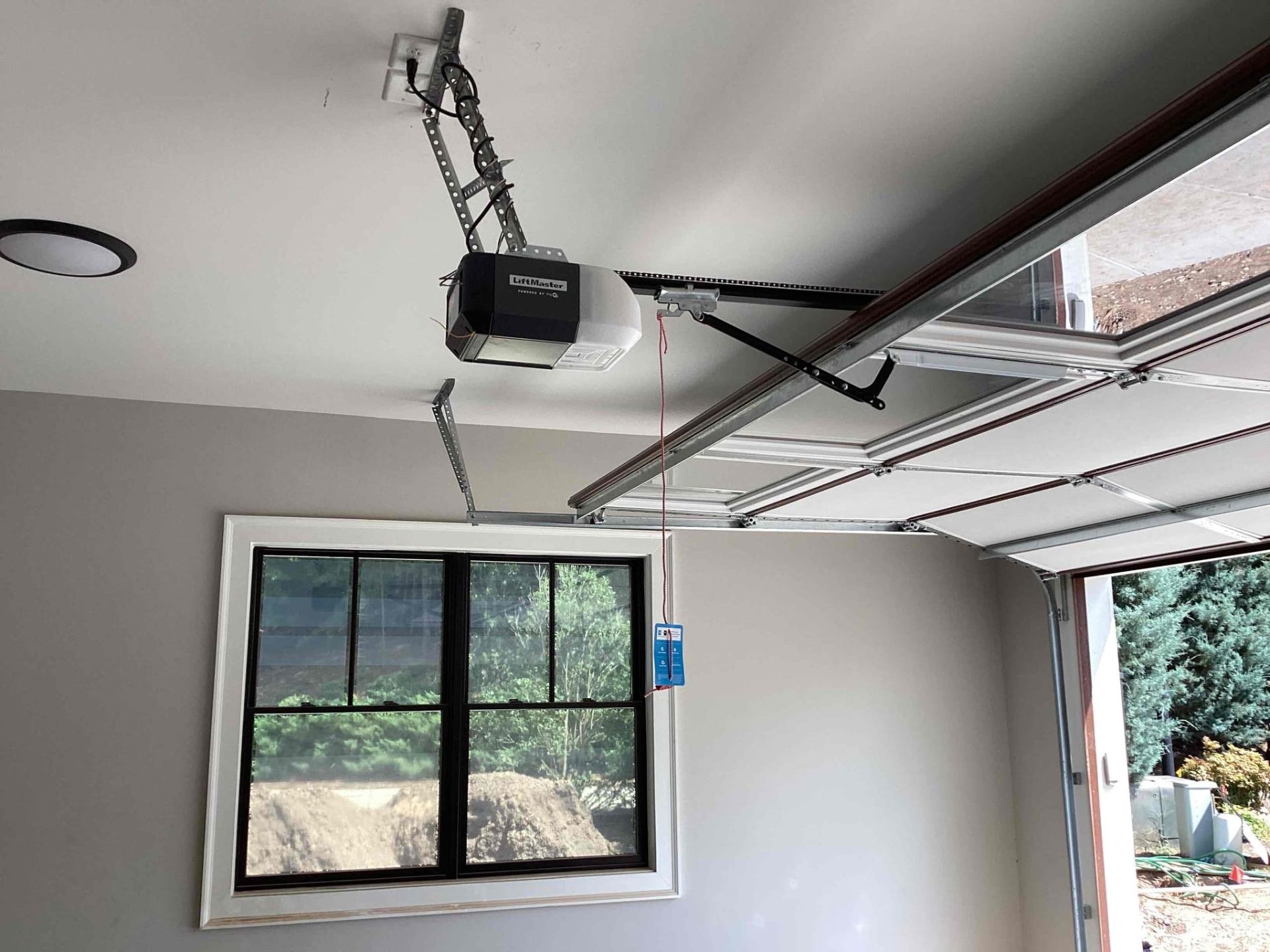
When your garage door opener quits, it can be frustrating. Follow these steps to diagnose and resolve the most common problems.
What Every Homeowner Should Know About This Issue
<p>As a homeowner, dealing with garage door issues can be stressful and even dangerous. Whether you're in [Detroit](/locations/michigan/detroit) and in [New Orleans](/locations/louisiana/new-orleans) or anywhere else in the country, understanding what to do when your garage door opener stops working is essential for maintaining a safe and functional home.</p><p>Your garage door is one of the largest moving parts of your home, weighing anywhere from 130 to over 400 pounds depending on the material and size. When something goes wrong, the consequences can range from a minor inconvenience to a serious safety hazard. In this guide, we'll cover everything you need to know to handle this situation confidently.</p><p>According to industry data, garage door issues account for thousands of emergency room visits each year. That's why it's crucial to know when a problem requires professional attention versus when it's something you can safely address yourself. Our team of experienced technicians has compiled this guide based on years of real-world experience helping homeowners just like you.</p>
Breaking Down the Problem
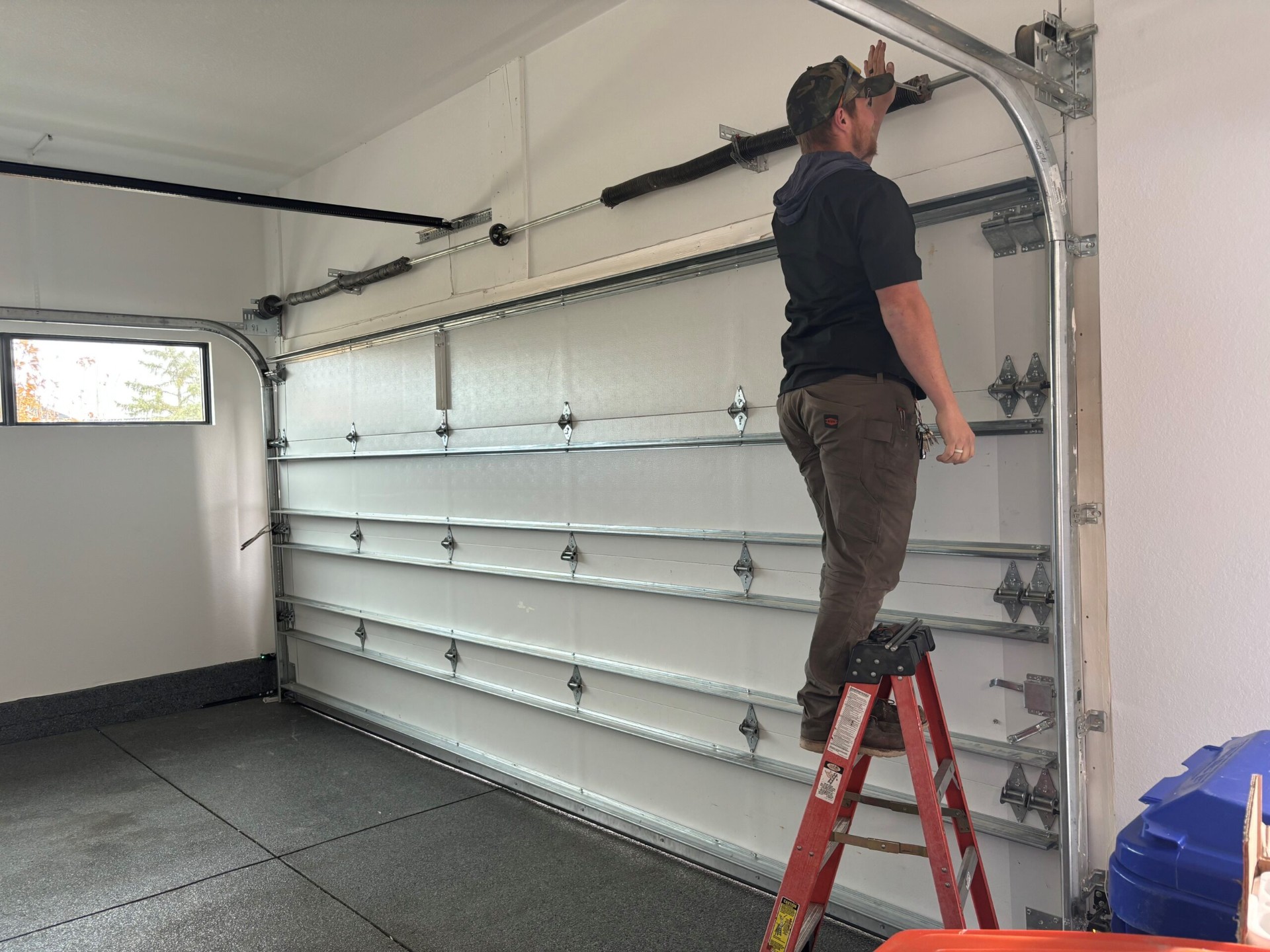
<p>The mechanics behind this issue are more straightforward than most homeowners realize. Garage doors operate on a counterbalance system where springs bear the majority of the door's weight, while the opener motor simply provides the force needed to start and stop the door's movement. When any component in this system fails, the effects are immediately noticeable.</p><p>Several key factors contribute to this problem. First, normal wear and tear takes its toll over time — springs are rated for a specific number of cycles (typically 10,000 for standard springs), and once they approach that limit, failure becomes increasingly likely. Second, environmental factors like humidity, temperature fluctuations, and salt air in coastal areas can accelerate deterioration of metal components.</p><p>Homeowners in [San Jose](/locations/california/san-jose) and similar areas should pay particular attention to climate-related wear. Temperature swings cause metal to expand and contract repeatedly, which weakens springs, cables, and hardware over time. Regular inspection can catch these problems before they lead to a complete failure.</p><p>The warning signs often start subtly. You might notice the door moving slightly slower than usual, making new sounds, or not sitting quite level when closed. These early indicators are your best opportunity to address the issue before it escalates into something more expensive and potentially dangerous.</p><p>It's also worth understanding that different parts of the garage door system age at different rates. While the door panels themselves might last 20-30 years, springs typically need replacement every 7-12 years, and opener motors have an average lifespan of 10-15 years. Planning for these replacement cycles helps you budget effectively and avoid unpleasant surprises.</p>
How to Address This Problem
<p>Now that you understand the problem, let's talk about solutions. The right approach depends on the severity of the issue, the age of your garage door system, and your budget. Here's a breakdown of your options from simplest to most comprehensive.</p><p>For minor issues, basic maintenance may be all that's needed. This includes lubricating moving parts with a silicone-based spray (never WD-40, which is a solvent, not a lubricant), tightening loose bolts and brackets, and cleaning the tracks of debris. These simple steps resolve a surprising number of garage door complaints and can be done safely by most homeowners.</p><p>For moderate issues, professional repair is usually the best route. Our <a href="/services/garage-door-repair">repair service</a> covers everything from component replacement to system recalibration. A trained technician can often resolve the problem in a single visit, getting your door back to optimal performance quickly and safely.</p><p>For severe issues or aging systems, replacement of major components or the entire door may be the most cost-effective long-term solution. While the upfront cost is higher, a new door or opener eliminates the cycle of recurring repairs and comes with modern safety features and warranty protection.</p><p>Homeowners in [Naperville](/locations/illinois/naperville) and surrounding areas have access to our full range of garage door services. We offer free estimates and transparent pricing so you always know what to expect before any work begins. Our technicians carry the most common replacement parts on their trucks, which means most repairs can be completed the same day.</p>
When to Call a Professional
<p>Knowing when to call a professional is one of the most important things a homeowner can learn about garage door care. While some maintenance tasks are perfectly safe for DIY, many repairs involve high-tension components or heavy moving parts that require specialized training and tools.</p><p>Always call a professional for: spring replacement or adjustment (torsion springs carry enough force to cause serious injury), cable repair or replacement, track realignment, opener motor issues, and any situation where the door has come off its tracks. These are not areas where saving money on a DIY attempt is worth the risk.</p><p>When choosing a garage door professional, look for companies that are licensed, insured, and have verifiable reviews from past customers. A reputable company will provide a written estimate before beginning work, explain the problem in plain language, and give you options rather than pressure you into the most expensive repair.</p><p>Our team of <a href="/services/garage-door-spring-panel-replacement">spring panel replacement professionals</a> serves homeowners in [New York](/locations/new-york/new-york) and throughout our service area with reliable, transparent service. We believe in educating our customers so they can make informed decisions about their garage door care. Every technician on our team is background-checked, factory-trained, and equipped to handle any residential or commercial garage door issue.</p>
Your Next Steps
<p>Taking care of your garage door isn't just about convenience — it's about safety, security, and protecting one of your home's most valuable mechanical systems. Whether you're dealing with a current issue or simply want to stay ahead of potential problems, the information in this guide puts you in a stronger position as a homeowner.</p><p>Remember that regular maintenance is the single most effective way to prevent unexpected breakdowns and extend the life of your garage door. Simple steps like lubrication, visual inspection, and balance testing can be done by anyone, while professional tune-ups should be scheduled at least annually.</p><p>If you're experiencing any of the issues described in this guide, don't wait for the problem to escalate. Reach out to our team for a thorough assessment and honest recommendation. We're committed to providing reliable, affordable garage door service that keeps your home safe and your door operating smoothly.</p>
Need Professional Garage Door Help?
Contact Garage Door Rapid Fix for a free estimate on your next project.
Get a Free QuoteLooking for garage door services in your area? Browse our full service directory by city.